fabricante profissional, desde 2009.
espalhando o perfume do amor por todo o mundo.


português
Categorias
Novo blog
Guia de Seleção de Óleo Aromático: Como Escolher o Óleo Certo para o Seu Espaço Comercial September 10 , 2026

Escolher um óleo essencial para difusores comerciais envolve mais do que encontrar um aroma agradável. O óleo deve ser adequado ao seu espaço, funcionar com o seu equipamento, vir com as informações corretas e ser prático para reposição. Uma fragrância que impressiona num teste rápido com o frasco pode ser uma má escolha se se tornar enjoativa após a difusão ou exigir manutenção frequente.
Para compradores de hotéis, operadores de varejo e distribuidores, a pergunta útil é: qual óleo proporciona a atmosfera desejada de forma consistente, a um custo operacional aceitável?
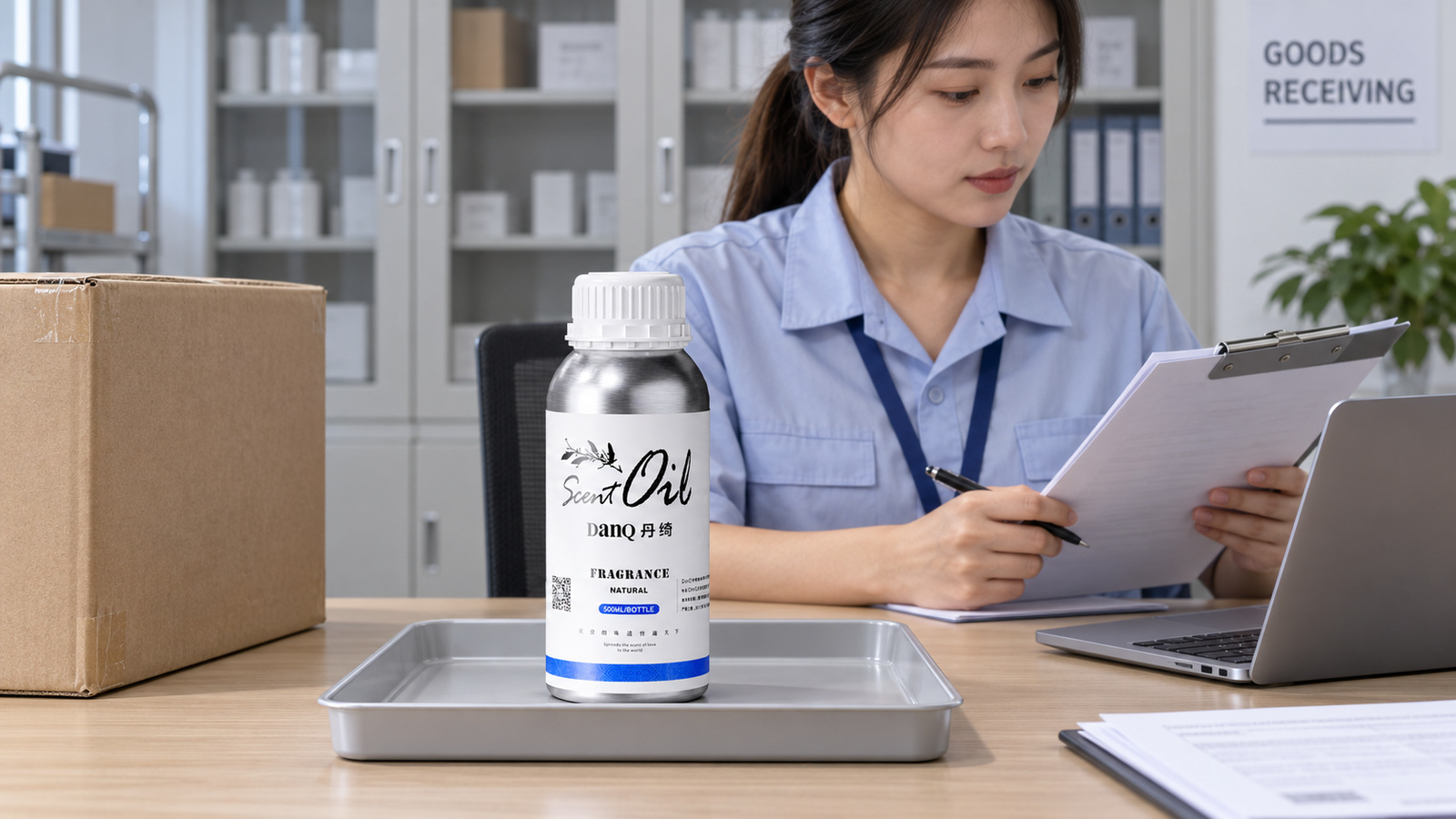
Este guia acompanha o processo de decisão de compra, desde a identificação do produto até a aprovação da amostra e a realização de novos pedidos. A embalagem apresentada é o frasco de 500 ml de óleo perfumado da DANQ. O tamanho do frasco indica o formato de fornecimento; o código exato da fragrância, a formulação e a aplicação aprovada devem ser confirmados separadamente.
Os compradores costumam usar os termos “óleo essencial”, “óleo aromático” e “óleo de fragrância” como sinônimos. Pergunte ao fornecedor o que esses termos significam para o produto em si.
Um óleo essencial é uma substância aromática obtida de uma fonte botânica. Um óleo de fragrância é um produto odorífero formulado que pode incluir materiais aromáticos naturais, ingredientes aromáticos sintéticos e ingredientes funcionais. Nenhum dos nomes, isoladamente, confirma a adequação para um difusor específico.
O nome de uma fragrância descreve uma impressão olfativa, não uma fórmula completa. Um rótulo "natural" por si só não garante pureza, certificação orgânica ou compatibilidade com equipamentos.
Para o frasco de 500 ml da DANQ, solicite o código da fragrância e a especificação do produto associados ao pedido. Esse código deve conectar a amostra, o orçamento, os documentos técnicos e o estoque entregue. Um design de frasco padronizado é útil para a consistência da marca, mas não permite identificar o líquido em seu interior.
Para pedidos de amostras, diferencie os rótulos que indicam “Óleo Essencial Natural” daqueles que indicam “Óleo de Fragrância”. Uma amostra de 10 ml deve ser vinculada ao pedido pretendido de 500 ml por meio do código da fragrância e da revisão da formulação; a correspondência apenas dos nomes não é suficiente.
Comece observando o que acontece no ambiente. Quanto tempo as pessoas permanecem nele? Há algum aroma presente, seja de comida, cosméticos, flores ou produtos de limpeza? Os ocupantes se movimentam rapidamente ou ficam sentados perto da mesma tomada o dia todo?
Descreva a impressão desejada em duas ou três palavras e, em seguida, identifique o que a fragrância deve evitar. "Discreta, fresca e suave" é uma descrição de compra mais clara do que "a melhor fragrância para hotel".
Coleção de fragrâncias da DANTInclui notas de chá, florais, frutadas e amadeiradas. Use famílias olfativas para refinar a busca, tendo as seguintes ideias como ponto de partida para testes, em vez de regras universais.
| Espaço | Direção inicial da fragrância | O que verificar no local |
|---|---|---|
| Recepção do hotel | Chá, cítricos suaves ou florais delicados. | Conforto na fila e na área de espera |
| Loja de móveis | Madeiras suaves ou notas verdes discretas | Interação com odores de estofados e materiais |
| Varejo de moda | Notas florais leves ou frutadas frescas | Ajuste o tamanho da mercadoria e o tempo de permanência no provador. |
| Recepção de escritório compartilhada | Notas sutis de chá ou ervas verdes | Conforto do funcionário durante exposição prolongada |
| Recepção do Spa | Notas herbais leves ou amadeiradas suaves | Interação com produtos de tratamento nas proximidades |
Para delimitar a área de um restaurante ou de uma loja de alimentos, primeiro decida se a adição de fragrâncias é realmente necessária. Um aroma agradável na entrada pode interferir no aroma dos alimentos a poucos metros de distância.
As notas de topo, de coração e de fundo descrevem diferentes aspectos do caráter e desenvolvimento de uma fragrância. No entanto, para um difusor de uso contínuo, a experiência no ambiente não é idêntica à do perfume secando na pele.
Pergunte como fica o aroma após a difusão em uma configuração baixa. A abertura cítrica e vibrante torna-se perceptivelmente doce? As notas amadeiradas parecem secas e limpas, ou pesadas em um ambiente pequeno? O toque floral suave fica muito presente perto de pessoas sentadas?
Avalie separadamente a doçura, o frescor, o calor e a persistência. Isso fornece ao fornecedor um feedback prático. "Menos doce, com um fundo amadeirado mais discreto" é mais útil do que "torná-lo mais premium".
É importante distinguir entre a impressão olfativa e o resultado prometido. Um comprador pode escolher um aroma herbal pela sua percepção de frescor; isso não garante que o produto melhore a concentração, o sono ou a saúde.
A compatibilidade do óleo é um requisito técnico para a compra. Forneça ao fornecedor a identificação do seu equipamento, o método de difusão, o cronograma de operação e a especificação atual do óleo antes de solicitar uma substituição.
Pergunte se o óleo difusor comercial proposto é fornecido pronto para uso ou se requer preparo. Não adicione água, álcool ou um óleo carreador, a menos que o fabricante do equipamento e o fornecedor do óleo aprovem explicitamente esse procedimento. "Sem água" descreve o funcionamento de um sistema; não significa que qualquer líquido perfumado possa ser usado nele.
Solicitar confirmação referente a:
Formulação aprovada e equipamento previsto.
Propriedades físicas relevantes e limites de aceitação acordados.
Compatibilidade com frascos, vedações, tubos e componentes de atomização.
Instruções de limpeza ao trocar de fragrância.
Existem restrições quanto aos métodos de mistura, armazenamento ou reabastecimento?
Não assuma que o frasco de 500 ml se conecta diretamente à máquina. A capacidade do reservatório, as roscas do frasco e os procedimentos de enchimento variam. Confirme se é necessário transferir o óleo e como fazê-lo sem contaminá-lo.
Uma amostra que apresente odor adequado, mas produza resíduos, resultados instáveis ou problemas com componentes, deve permanecer reprovada até que a causa seja resolvida. Alterar as configurações da máquina por si só pode não solucionar uma incompatibilidade na formulação.

Selecione um número reduzido de instruções. Utilize papéis absorventes codificados e métodos de aplicação consistentes, seguindo as instruções de manuseio do fornecedor. Faça pausas entre as avaliações e evite aplicar óleo perfumado comercial na pele.
Avalie separadamente o apelo geral, a adequação ao espaço, a doçura e a singularidade. Anote os resultados antes de discuti-los em grupo, para que uma pessoa entusiasmada não influencie a decisão de todos os outros.
Teste o óleo pré-selecionado no equipamento pretendido, sob condições operacionais controladas. Registre as configurações, o tempo de operação, o consumo e qualquer resíduo ou comportamento incomum. Siga o procedimento de limpeza aprovado entre os óleos para que a fragrância anterior não interfira na próxima avaliação.
A aprovação do papel absorvente e a aprovação do equipamento respondem a perguntas diferentes. Ambas são necessárias antes de um pedido comercial.
Avalie durante o horário de funcionamento típico, com ventilação, portas e ocupação normais. Verifique a entrada, uma área de estar e um local mais afastado da tomada. Inclua os funcionários que permanecem no espaço por períodos mais longos.
Pergunte: A fragrância é adequada? Está muito forte aqui? Está em conflito com outro cheiro? Registre as respostas, tanto positivas quanto negativas. Se alguém relatar desconforto, reduza ou interrompa a difusão e investigue o problema, em vez de tratar essa resposta como uma preferência de intensidade a ser ignorada.
O objetivo é proporcionar uma experiência confortável no ambiente. A intensidade máxima do aroma não é a meta, e a fragrância não substitui a limpeza ou a ventilação.
O preço por frasco pode ser enganoso, já que os óleos exigem diferentes níveis de rendimento para produzir um resultado aceitável. Primeiramente, compare orçamentos com base nos mesmos critérios: volume líquido, formulação, embalagem, condições de entrega e quaisquer taxas aplicáveis.
Em seguida, utilize o consumo observado durante o teste em ambiente controlado:
Custo estimado do óleo por dia de operação = preço de entrega por ml × ml utilizados por dia.
Para o formato de 500 ml em destaque, divida o preço do frasco entregue por 500 para calcular o preço por ml, após confirmar o volume líquido cotado. Inclua as perdas por manuseio, se forem significativas. Quando o consumo for medido por peso, utilize a densidade documentada da formulação para converter para volume; gramas e mililitros não são automaticamente intercambiáveis.
Estimativa de dias por garrafa = volume útil da garrafa ÷ consumo diário medido.
Estas são fórmulas de planejamento, não estimativas de tempo de execução do DANQ. O consumo real depende da formulação aprovada, das configurações e das condições de operação. Ao comparar os custos totais de suprimentos, considere também a mão de obra para reabastecimento, o tempo de limpeza e o frete.
Escolha o óleo de menor custo que mantenha o padrão sensorial e técnico acordado. Um óleo barato que exige ajustes frequentes pode ser caro de operar.
A documentação deve fazer referência ao mesmo código de fragrância e revisão da amostra aprovada. Um certificado genérico da empresa não pode responder a perguntas específicas sobre a formulação.
Solicite uma Ficha de Dados de Segurança atualizada, orientações sobre manuseio e armazenamento, identificação do lote e informações sobre transporte. Quando fornecido, um Certificado de Análise deve indicar quais propriedades do lote foram verificadas, conforme acordado. Informações e rótulos adicionais dependem do destino e da finalidade de uso.
Para uma mistura de fragrâncias formulada, solicite um Certificado de Conformidade IFRA aplicável que identifique a aplicação pretendida.A IFRA explicaEsses documentos são fornecidos pelos fornecedores de misturas de fragrâncias e não são emitidos pela própria IFRA; eles não substituem uma avaliação de segurança ou a conformidade com as normas locais. As matérias-primas botânicas podem exigir informações de conformidade diferentes.
Solicite ao fornecedor que confirme a categoria de aplicação correta e as condições de uso permitidas. Não copie uma categoria de um documento de vela ou cosmético para um projeto de difusão comercial. Um limite percentual em um documento não representa uma meta de concentração para o ambiente nem uma configuração de intensidade para o equipamento.
A origem natural pode ser importante para a sua decisão de compra, mas não substitui a comprovação de adequação do produto. Pergunte ao fornecedor o que ele quer dizer com essa afirmação e quais documentos a sustentam.
ODiretrizes da FDA sobre aromaterapiaExplica que a origem vegetal não garante automaticamente a segurança. Também distingue os produtos pelo uso pretendido e pelas alegações feitas. Este é um contexto relevante para a aquisição, e não uma prova de que uma fragrância para ambientes tenha aprovação da FDA.
Mantenha a linguagem do seu site focada nas características da fragrância e na sua aplicação pretendida. Evite afirmações sem comprovação, como "isento de alérgenos", "seguro para todos", "purificador de ar" ou "trata a ansiedade". Se um cliente desejar usar o produto em um formato diferente, solicite uma avaliação separada em vez de conceder uma aprovação para uso em ambientes fechados.
Ao receber o produto, compare o pedido, a embalagem externa e a identificação do frasco. Verifique o código da fragrância, o lote, a quantidade líquida, o estado do lacre e as datas de validade. Guarde os produtos com vazamento, danificados ou não identificados para análise do fornecedor.
Guarde uma amostra de referência aprovada, seguindo as condições especificadas pelo fornecedor. Se uma entrega posterior apresentar um odor diferente, investigue antes de misturá-la com o estoque existente. Verifique se houve alguma alteração na fórmula, no histórico de armazenamento ou no lote de produção.
Armazene os frascos fechados, na posição vertical e de acordo com as condições indicadas na embalagem do produto. Mantenha-os afastados de materiais incompatíveis e separados de alimentos e bebidas. Anote as datas de abertura e siga o prazo de validade e as instruções de uso indicadas; não aplique um prazo de validade único para todas as fragrâncias.
Planeje as compras de acordo com o uso realista. Encomendar mais do que você pode consumir dentro do período de armazenamento documentado pode anular um desconto por volume. Registros de lote claros também possibilitam uma investigação direcionada quando um local relata um problema.
Considere um showroom ilustrativo com assentos estofados, acabamentos em madeira e consultorias prolongadas para clientes. Este é um exemplo de planejamento, não um resultado relatado por um cliente da DANQ.
O comprador solicita uma fragrância discreta que complemente os materiais. Durante a avaliação inicial, uma fragrância doce causa boa impressão à primeira vista, mas se torna enjoativa após uma análise mais aprofundada. Uma fragrância amadeirada mais contida se encaixa melhor, porém ainda precisa de testes com equipamentos e em diferentes ambientes.
A equipe avalia o óleo selecionado em condições normais de operação, verificando tanto o balcão de atendimento quanto a área principal de exposição. Se os funcionários considerarem o aroma muito forte próximo ao balcão, ajustam a potência ou o posicionamento aprovados e repetem a avaliação. O setor de compras aprova o óleo somente após o conforto, a compatibilidade, o consumo e a documentação atenderem aos requisitos.
A compra final especifica o código da fragrância e o formato de fornecimento de 500 ml. A fotografia do frasco representa a embalagem; os documentos do pedido estabelecem o conteúdo exato aprovado.
Não. Compare óleos essenciais com a mesma intensidade aceitável no ambiente e leve em consideração o consumo medido, a manutenção e o custo de entrega. O forte odor do frasco, por si só, não é um teste de desempenho.
Não presuma isso. Difusores de ambiente, sistemas de varetas, velas e produtos para contato com a pele podem exigir formulações e avaliações de uso diferentes. Confirme cada aplicação separadamente.
Divida o volume útil pelo consumo diário real, de acordo com as suas configurações aprovadas. O tamanho da garrafa, por si só, não permite determinar um intervalo de troca confiável.
Somente com aprovação explícita. Caso contrário, siga as instruções de troca do fornecedor para evitar misturas desconhecidas, avaliações distorcidas ou problemas técnicos.
A escolha criteriosa de óleos essenciais leva em consideração a adequação ao espaço, a compatibilidade com os equipamentos, o feedback dos ocupantes, a documentação e o fornecimento contínuo. Cada um desses fatores responde a uma questão diferente na hora da compra; nenhum substitui os outros.
Para solicitar informações sobre o óleo de fragrância DANQ de 500 ml, compartilhe o mercado de destino, o espaço de aplicação, detalhes do equipamento, a direção olfativa desejada, a programação diária e a quantidade esperada. Solicite o código da fragrância, orientações de uso compatível, documentos atualizados, opções de amostra e orçamento antes de confirmar o pedido.

fabricante profissional, desde 2009.
espalhando o perfume do amor por todo o mundo.


Guangzhou DANQ Environmental Technology Co.,LTD